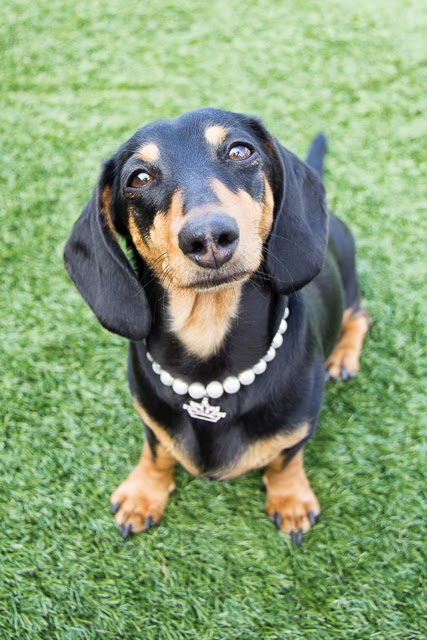
Showing posts with label Dachshund 101. Show all posts

Thursday, December 24, 2015

Pet insurance

About once a week someone in our facebook asks a question about Pet Insurance. Is it worth the money, which is the best provider, best plan, what's covered, how long does it take to get a claim processed and so on.

Do I need it?


The overwhelming response on long dogs facebook is YES!.

We realise pet insurance is not cheap. At this moment in time you're looking at around $40-60 month for comprehensive cover. That's not kibble over the long life of a dachshund.

The experience of many, many members is that it is well worth the expense. When dachshunds get sick they do it in epic style which means big bucks.
One of the most well known epic dachshund ailments is IVDD which can mean thousands of dollars in surgery costs, and follow up treatments. Antivenin for a snakebite costs between $1500-$2000.
Other expensive conditions to diagnose and treat include pancreatitis, allergies and then there are the raft of troubles these dogs seem to get themselves into by ingesting things they shouldn't (please read up on dangerous Christmas foods if you haven't already).
And so the list goes on.


Sunday, November 30, 2014

Pet photography and posing pooches

We have the cutest dogs in the world so it is no small wonder (pardon the pun) that we all love taking pictures of our dachshunds.

These days everyone has a camera with them just about all the time. Everyone is a photographer and the "best camera is the one you have with you" (Chase Jarvis).

That said, some photos are better than others so here are some of the tips that I've been given on how to get some pictures of your dog that you can treasure forever.

Focus on the eyes

Our dogs have long noses and it's easy to end up with a lot of pictures with wonderfully sharp, in focus nose prints and fuzzy faces.  Try to focus on the eyes  - they are the window to the dachshund soul after all.


Holding their favourite thing near the camera is a great way of getting them to "Look at me...". For Fletch or Izzy that might be a ball, for others it might be a tasty treat. Some will be attracted by  mum, dad or a special friend.  You know your dog, you know what their greatest love is.

Get down

It's easier with a Great Dane than a Dachshund, but if you can get down to their level you can get some great results.  Getting on their level might involve having them on a step, or it can mean you grovelling on the ground.  Prepare to be licked, but it's great fun.

Lighting 

Try to get your dog in full sun or full shade. Dappled light makes it really hard to get a good image. Be careful if you're using flash.  You may end up with creepy alien eyes and a creepy alien dog who runs away when he sees you grab the camera.

Getting the lighting right when you take the picture is best, but if you don't have perfect lighting, try fixing it in 'post' by using fill light in Picasa or playing with Shadows and Highlights in Lightroom.


Arty-farty portraits

If you're using a DSLR, use a shallow depth of field. This will give you a nice sharp foreground and blur out all the stuff behind you dog.


( large aperture = lowest number you can pick on your camera - it's counter intuitive - I didn't make it up).

Adjust the ISO to allow for light conditions - the more light, the lower the ISO.

(this one makes sense - a low ISO is 100, a high ISO is 1600 -- don't ask me why they didn't make Aperture this simple too).

Action Shots

If you're more into actions shots than portraits, you'll need to either increase the ISO, or use a fast shutter speed.


Ryder and Jetta's dad also uses a great technique and extracts images out of video.

Have fun

The happiness  and safety of your dog is the most important thing. If your dog isn't enjoying itself, go do something else.


On props and costumes - Some dogs are happy to be dressed up in costume and some hate it.  Your relationship with your dog needs to be built on trust so don't ruin that to get a cute picture.

An aside on costumes - when we got our first dachshund I was of the "I'm never dressing my dog up - that's just ridiculous" school of thought.  And then we got to our first winter and the little mite was shaking and shivering and sitting 5 cms away from the gas heater whenever it was on.  So reluctantly I agreed we could get her a little fleece to coat.

She LOVED it.  As the evenings started to cool down we would pull out her little coat and she would come racing over and stand still while we put it on.  My partner even hand tailored it to get that perfect fit...

Long story short, if you make wearing coats, costumes, harnesses, whatever, part of their training and make it fun (lots or treats always help) then that's another way to bond with your dog.  If it's a battle and your dog looks miserable, remember they are cute just the way they are - let them be a dachshund not a barbie doll.

When I got my first DSLR camera last year I started out by practicing every chance I got. Smudge was my muse. That means he now sees me get the camera down and starts wagging his tail because he knows he's going to get a) my undivided time and attention and b) treats, lots of them, keep 'em coming.

Make if fun for everyone. If it isn't fun, you're doing it wrong.

Take a LOT of photos

There are some incredibly skilled photographers in the world, and some of them might take one or two shots and they will be perfect.  For the rest of the us it's a numbers game.  Take a thousand photos and you'll find a gem or two amongst them,  It's digital, doesn't cost you anything but time and no-one has to see the duds.


Practice makes perfect and then there is the 10,000 hour rule. When you find there is a picture that you really like, take the time to figure out what it was that made this one stand out and try repeating that 'thing' the next time.

Use a professional

We are very lucky in Perth to have some great photographers who specialise in animals.

Most will charge a sitting fee for the session, and then you choose which of the pictures they take to buy as prints, canvas, albums etc.

This is obviously more expensive than taking your own pictures, but you may find that just by watching a professional at work you will pick up a whole raft of techniques that you can take away with you and use at home, so as well as getting some great professional photos you get an experience.
Some of the photographers our members recommend are;
  • VIVA! Joondalup - Generous supporters of LDWA fundraising efforts
  • Michaela Newman - LDWA member and contributor to Long Dogs WA and Dachshund Rescue Australia Calendars)
  • Houndstooth Studio - Award winning and all round great person Alex Cearns
  • Noah’s studio
  • Furtography
  • Shot by Nikki based in Bunbury for your South West Members
  • Claire Alexander - photographer at our 2012 Halloweiner
...and more.  If you have someone you'd like to recommedn, comment belonw, or send us an email and we'll add them to the list.

    Print, preserve and participate

    When you have a photo that you love, get it printed. Having them online is nice and having some on your phone to show to random strangers is essential,  but having one framed on your wall, on something you use every day is even better. And these days you can get photos printed on so many things. Mousemats, iphone covers, cushions, mugs, even fabric... the list goes on.

    Ways to share and print photos

    There are so many ways you can share photos these days.
    • Facebook – if you want to share photos on your profile and the Long Dogs WA group, set the photo privacy to public
    • Flikr
    • Picasa
    • Instagram

    Photo Editing and management software

    If you're going to start taking lots of photos, you may want to look at software to help you manage and edit them
    • Picasa
      The Picasa software is free and gives you some basic tools to brighten, crop
    • Adobe Lightroom
    • GIMP
      A free editing package that can take a little while to get your head around, but once you do you can use layers and create graphics from your photos
    • Corel Paintshop Pro
      I think of this as a poor man's Photoshop.  I used this for a few years and found it did most of what I needed it to do, and saved me scads of money. There are limitations though.
    • Adobe Photoshop
      The industry leader in photo editing.  If you can't do it in Photoshop its possible it can't be done.  It comes at a cos, but Adobe now offer a photographer plan.

    And make sure you keep a backup of your pictures. You can now do that fairly easily online or on an external hard drive, or copy them to CD or DVD.

    Other quick observations

    • Puppies are really hard to photograph, except when they are sleeping.  They move too quickly and are unpredictable. If you get a chance to photograph an older dog you will be delighted with the experience. Old is Gold.
    • Some of your best pictures will come when your dog has no idea you're photographing them. catch them doing their own thing.
    • A bit of 'noise' in your picture is better than an out of focus shot - up the ISO in low light.
    • Be patient, waiting for that moment can really pay off.


    Saturday, November 22, 2014

    Before, After and Inbetween

    Our guest post today is brought to you by Sary and Sheba


    InVertebral Disc Disease is a mouthful. So is proprioception. Fenistration. Partial fenistration. Myliomenectomy. Incoordination. Rectal tone? These are all words I never took much notice of before. Now they roll off my tongue like I’ve been saying them all my life. In fact, my life as a pet owner is now distinguished by a series of ‘befores’.

    I find myself comparing my expectations to before and after. If somebody had told me I would have been thrilled to see my dog pee all over her back legs, or do a single lap of the lawn without falling over I would have said they were mad. That was before.

    Photo by Sary William

    IVDD was always some far away phenomenon. I knew all about it but it was the sort of thing that only ever happened to other people. Yet that’s exactly what happened to my not-quite four year old miniature dachshund, Shibardicles. Aka Sheba.

    She had a fight with a cat. My cat, to be precise. Well sort of. It’s an ex-stray. Despite being in the family one way or another for twelve years it’s never become remotely domesticated, which could be why it took such umbridge to the existence of my dogs.

    The cat attacked my –then- 8 month old puppy, so Sheba attacked back. Not that she needed much of an excuse. If you ask her, cats are a pestilence that should be eradicated along with houseflies, german shepherds and broccoli.

    I took the cat and Sheba to the local vet to be checked out, just to be safe. Jack used another of her nine lives and escaped with minor bruising and a very sore ego. Sheba was none the worse for wear.

    Then a day or so later I took Sheba back. She seemed unhappy, lethargic and quite tense around the abdomen. The vet did a full exam that revealed nothing. Maiming a cat is serious business, after all. She probably just pulled a muscle and needed time to rest.

    The vet gave me some anti inflammatories to give her for a week but assured me it would clear up in time. It didn’t. Three days later I woke up to find her wobbling slightly. I knew what it could mean.

    I rushed her to vet as soon as they opened and they suggested crate rest, which she was already on, and to give the medication time to work. Or they could do X-rays, but they didn’t expect anything to show up without more specialised tests. I took her home and watched her like a hawk.

    After a few hours I was really unhappy. She hadn’t been to the toilet and was getting wobblier by the minute. I called the vet again to express my concern and they suggested bringing her back if she hadn’t been to the toilet in the next hour or so. When that hour came and went I resolved to get an illusive referral to an orthopaedic specialist.

    They made a few calls and got me in to the specialist immediately. In the time it took me to drive across town, Sheba safe and sound from the confines of her very own car seat, she was almost completely paralysed. I was heartbroken.

    Photo by Sary Williams


    The neurological exam wasn’t good. Her tail was lifeless, she couldn’t push herself into a standing position, she couldn’t even make it across the exam room floor for a treat, although she did somehow manage to drag herself across the waiting room to bark at some placid old retriever.

    They rushed her in for a myelogram, which confirmed an extrusion. They operated that night.

    I didn’t see her for four agonising days. They don’t recommend visitors for short stay clientele: Doggy Depression. Progress was painstakingly slow and the vet had shown some concern in releasing her at all, due to the UTI she’d picked up from the brief period she was unable to empty her bladder. Then on day four she miraculously improved. She was eating, drinking, weeing, pooing. Everything they hoped for.

    She took to the crate like a pro. No whining, just lots of sleeping. And treats, who could forget all the treats.

    I was never really happy with the progress after the first surgery, she seemed worse from the get go, but I didn’t know what to expect. Was she supposed to be improved? Was she not? How long did it take? I knew the surgery itself can cause temporary inflammation but still… It was hard to stomach. Harder still to watch.

    By day six post-op she was paralysed. Again.

    It was time to get back to the specialist. Poste haste. All we had to do was get there. We were all ready to go, I had her in my arms to put in the car before I realised I hadn’t put the travel crate in the car yet. No problems, I thought. I’ll just pop my dog with NO bladder or bowel control onto the very expensive billiard table while I dart into the other room and grab the crate. Mistake…

    You can imagine how it ended. If you cant, there was sh*t everywhere! And the poor darling had dragged herself around and around and around the pristine green felt to escape the carnage. To no avail. Everything was now as streaked and foul-smelling as my dog.

    The surgeon was not happy to see us. Not because I’d brought her back sooner than anticipated, but because she was in real trouble. All signs pointed to some new and permanent horror. No movement, no bowel control, no wagging tail. Nothing.

    No surprise, she needed more surgery. We were back at square one. Worse, even. Beyond devastated doesn’t even begin to describe how I felt.

    I liken the first few days at home after the second surgery to having a newborn. She needed to be supervised constantly. I couldn’t go out, I couldn’t go into a different room, I couldn’t sleep. It consumed my thoughts. Invaded all my conversations with people.

    Reactions to Sheba’s story have been mixed. Self-appointed experts are hidden around every corner. Some with amazing advice. Some with terrible advice. Some just with useless criticisms or judgements.

    A common response is, ‘oh, we’d put our dog down if that ever happened’. While I understand the sentiment completely, in the moment the thought never entered my head. Although I did start to question what quality of life she would have when the specialist started to prepare me for the inevitability of permanent paralysis.

    Luckily they were wrong; Sheba’s far too stubborn to be told what to do. Not by me, not by the specialist, not by her boisterously thickheaded 14kg canine cohort brother.

    She is a dachshund, after all, and she knew better. She knew that I would carry her to and from the toilet every few hours. She knew that I wouldn’t mind when she didn’t quite get the aim right and peed all over me, or ended up sitting in her own mess so that I had to bath her four times a day. She knew I’d let her on the bed for supervised cuddles. She knew I’d let her sleep like a baby in the crook of my arm. She knew I’d spend countless hours just sitting on the grass with her so she could soak up some sun. She knew that I would wake up on the hour every hour to stare at her sleeping, and occasionally wake her up, to make sure she was still alive. She knew I’d buy all the latest toys and tricks a growing paraplegic needs. She knew I’d try acupuncture. Chinese medicine. Water therapy. Holistic diets. As usual, she was right.

    We are approaching week eleven of her crate rest. Sadly, she had another herniation last week. Far less severe than last time, so no surgery required. She can still walk, but she has regressed to around the same point as week two after the second surgery. All just after she had started being allowed out of the crate for short periods.


    I saw her relapse in slow motion. I saw her think about jumping onto the couch and I just couldn't get there in time to stop her. All I could do was watch in abject horror as she missed entirely, bounced backwards and landed [awkwardly and directly] on her back.

    The specialist opened for us at 9pm on a Thursday just to see us. Such is her infamy with them. Disheartening doesn’t begin to cover it, but we have our routine now. We overcame two surgeries and we will overcome this.

    The likelihood of a full recovery has all but vanished with this new herniation, although there is still hope. Hope that she can get back to a life outside of the crate. A life without the cotton wool. And the worried looks. And the medical jargon.

    There are good days and bad days. Some days she acts as if crate rest is akin to Japanase water torture and I was put on this earth simply to torment her. Other days she is noticeably subdued and I’m sure she needs to go back to the vet. Then there are the days somebody has lit a fire under her, and she escapes from me the second I open to crate door and charges around the house like a dog possessed, with her back legs flying behind her to keep up. Or takes one great, flying leap over the door jam to get outside, my heart in her mouth.

    The chances of some form of IVDD during a dachshunds life is around twenty percent, around fifteen percent for a second serious episode, less for the third, even less for a fourth, and so on. Theoretically the risk of another herniation reduces with each relapse. Sheba is definitely one in a million.

    Photo by Sary Williams


    It is very unlikely that a single traumatic incident, like a cat fight, is what caused the IVDD. More likely it was the final straw that broke the doxies back, so to speak. IVDD happens slowly, over a long period of time. The effects are often indiscernible from the natural quirks of a doxie. A bad mood here. A slight turning in of the back feet there. A bunny hop. A look a disgust at the suggestion of bringing the ball back. A nap on a dog bed, instead of a warm lap. Just tiny things that meant nothing to me without the benefit of hindsight, even though I always thought of myself as vigilant. Aware and on guard. But not immune.

    I’m still not convinced this whole thing isn’t a really, really elaborate ploy to get more attention. And toys. And treats. Attention. Treats. Toys. Treats. Attention. Treats. Attention. Attention. Et cetera, et cetera. If it is I’m ashamed to say it’s working.


    Long Dogs WA would like to thank Sary for this grogeous post.

    For anyone thinking about becoming the person owned by a dachshund, this is a subject you want to get informed about first. We hope for a future where there is a reliable test that will help breeders reduce and one day eradicate IVDD.

    In the mean time, do what you can to support breeders who are working towards this, and do what you can to minimise risks for your own dachshunds.

    For more information and support there are some great support resources out there.

    The ones we know about include

    IVDD Support Australia
    Dodger's List

    If you know of others, please share.

    Tuesday, January 21, 2014

    Dachshund 101 - Life Partners...

    If you believe the news dachshunds are the latest must-have fashion trend. For those of us who are owned by dachshunds that strikes fear into our hearts. We know that getting a dachshund needs to be a serious decision, and one not entered into lightly.

    Like deciding to get married, deciding to get a dachshund means committing to be its life partner.

    In fact, with today's divorce rate, and the dachshund life expectancy of 10-20 years, the relationship you have with a dachshund may well outlast many marriages.

    Over the course of your relationship you will be groomer, dietician, chauffeur, trainer, mentor, confidante, policeman, prison guard,  attorney, mediator, counselor, emergency responder, landscaper, architect, teacher, physical therapist, body guard, accountant, trustee, power of attorney, agent, guardian, and BFF.

    Getting a dachshund without researching where it comes from is like taking the first pretty young thing you meet in Vegas and racing off to the Elvis chapel to tie the knot before the effects of the last five cocktails wears off. It might seem like a good idea at the time but you are in for a hell of a suprise when the hangover kicks in.

    Wednesday, December 4, 2013

    Dachshunds 101 - ins and outs of the dachshund diet

    I was surprised to discover that one of the most controversial topics amongst dachshund owners is the dashie diet.

    Luckily there are some things we can all agree on.
    1. Overweight dachshunds run a significantly increased risk of developing back problems.
    2. A whole stack of food we people love are toxic to dogs, even in small amounts (see below).
    3. Dachshunds are super cute. (ok, that isn’t diet related but you know it’s true).

    Foods that are toxic for dogs

    Some of these foods can be deadly, others may cause tummy upset.  If you think your dog has eaten any of these foods, seek veterinary advice.

    • Chocolate
    • Macadamia nuts
    • Other nuts including almonds, walnuts, pecans, pistachios
      (Note: peanuts are actually a legume, not a nut and peanut butter is great kong stuffer for our short legged companions)
    • Sultanas, raisins, grapes
    • Onions
    • Garlic
    • Caffeine
    • Cyanide – (well duh – but this is contained in apple seeds, cherry pips, peach, apricot and plum stones)
    • Avocado
    • Cornncobs – (the corn itself isn’t too much of a problem, but the cobs can cause bowel obstructions)
    • Mushrooms
    • Artificial sweeteners (Xylitol) – contained in lollies, chewing gum and who knows what else)
    • Green tomatoes
    • Green potatoes and potato peelings
    • Rhubarb leaves
    • Raw bread dough
    The good news is, when you’re noshing down on some yummy chocolate or nutty treat, you don’t have to feel guilty about not sharing with your dog – you’re saving his/her life.

    That said, no matter how many times he hears it, I’m not sure that our dog knows what “Chocolate’s bad for dogs” means yet...

    For more information on the symptoms of eating these foods, here are some links.

    http://www.pethealth.com.au/Page/human-foods-that-poison-pets
    http://en.wikipedia.org/wiki/Dog_health#Dangerous_foods
    http://ibostonterrier.com/wp-content/uploads/2013/07/healthy-dog-snacks.jpg
    (I'd like to credit whoever created this originally, but I can't seem to find out where it came from)

    So what should I feed my dog?

    There is a lot of research out there, some of it conflicting.
    Whether you decide to feed you dog a raw diet, a commercial dog food or some other combination, it is important to know your options.

    Some dogs will have special dietary needs regardless of your preference.

    For more information on general diet questions, here are some places to start;

    http://www.dogfoodanalysis.com/


    http://kb.rspca.org.au/What-should-I-feed-my-dog_263.html
    http://ibostonterrier.com/wp-content/uploads/2013/07/healthy-dog-snacks.jpg
    (I'd like to credit whoever created this originally, but I can't seem to find out where it came from)
    http://www.amazon.com/Real-Food-Dogs-Clare-Middle/dp/1921361352
    http://www.amazon.com/Give-Your-Dog-Bone-Commonsense/dp/0646160281/ref=sr_1_1?ie=UTF8&qid=1377939272&sr=8-1&keywords=billingshurst+dog+food


    Monday, December 2, 2013

    Dachshunds 101 - Searching for a missing dog...

    From time to time dachshunds go missing. Here is a crib sheet on the steps to take when trying to find your missing companion.

    Get the world looking for you

    Collate the following information so you can get everyone you know on the lookout;
    • dog name
    • size
    •  age
    • colour
    • coat
    • if the dog was wearing a collar and tag
    • if the dog is micro-chipped
    • if the dog is sterilised
    • suburb and street the dog went missing from
    • where the dog was last seen
    • how to get in touch with you with any details
    • a photo that will help people recognise your dog
    Here is a template you can use to create a flyer with all of these details. If you're not so good at these things, ask someone to help you create one while you go looking.

    Phone

    • Your vet
    • The ranger
      If your dog has gone missing in another area, contact both your home ranger and the ranger in the area the dog went missing. 
    • The police if you have reason to believe your dog has been stolen.

    Email

    • Your micro-chip company. If your dog is micro-chipped, make sure your details are up-to-date, and let the micro-chip company know your dogs is missing.
    • Desperate pets mailing list http://lists.murdoch.edu.au/mailman/listinfo/desperatepets
    • Contact local community newspapers and radio stations

    Post

     There are a stack of facebook groups that can help you find your dog;

    • https://www.facebook.com/petsofperth
      Pets of Perth has over 20,000 likes, which means you have an extra 20,000 eyes around Perth looking out for you dog.
    • https://www.facebook.com/groups/77155173945/
      Post on our Long Dogs WA facebook group.
      Let us know by emailing longdogswa@gmail.com or by posting in our facebook group.We often have members volunteer to help look and distribute flyers in the area.
    • Create a "Help find fido"... facebook page for your pet. This should be seperate to your personal facebook account. To see an example site check out Rupert's https://www.facebook.com/HelpFindRupert.  Ask everyone you know to share it. Make sure you have copies of your flyer here for people to download.
    • Gumtree - http://www.gumtree.com.au/p-post-ad.html get a lost ad up on gumtree under Pets - Lost and Found. Also, check the found ads on Gumtree in case someone is already trying to get you and your dog back together.
    • Western Australia lost Pet Register - https://www.facebook.com/Lostpetsin

    Visit

    • Pounds and shelters in your area. 
      Surprisingly not everyone knows what a dachshund looks like - especially a long haired.  The description you give might not match what busy pound staff see.

    Talk to

    • your neighbours
    • the postie
    • the garbage guys
    • courier companies
    • fellow dog walkers
    Any of them may have seen something that might point you in the right direction.  Give them flyers to keep your dog's details front of mind.

    Distribute flyers and posters

    Create a flyer to hand out and posters to put up in public places.   Here is a template you can use to create a flyer. If you don't have a printer, places like libraries and Officeworks and Snap printing offer these services.  Save yourself some money - smaller black and white flyers get the information out  just as well for letter box drops as A4 colour.

    Letter box drop in the area the dog went missing. Put up posters in shopping centres, vets, schools, garages, pet supply stores, fast food store, supermarkets, groomers.

    General advice

    Don't be afraid to ask for help.  There are lots of people out there who have  been through this and many of them are keen to help others in the same situation. Don't be put off my the 1% of people you talk to who will try and make you feel guilty about how the dog went missing.  Focus on finding your dachshund and keep thinking positively.

    Here are some contact details that may be useful.  If you see one of these links is broken, please let us know so we can update it.

    Pounds

    www.bassendean.wa.gov.au Ranger 9377 7480 (held RSPCA Malaga)
    www.belmont.wa.gov.au. Ranger 9477 7224 (held at Julies Kennels Malaga)
    www.claremont.wa.gov.au. Ranger 9285 4300 (held at Swanbourne Vet Centre)
    www.cottesloe.wa.gov.au. Ranger 9285 5070
    www.eastfremantle.wa.gov.au Ranger 9339 9316 held Dogs Refuge Home, Shenton Park
    www.joondalup.wa.gov.au Ranger 9400 4960 or 1300 655 860 (held RSPCA Malaga)
    www.fremantle.wa.gov.auwww.kalamunda.wa.gov.au. Ranger 9257 9999
    www.mosmanpark.wa.gov.au. (held Dogs Refuge Home, Shenton Park)
    www.nedlands.wa.gov.au (held at Swanbourne Vet Centre)
    www.peppermintgrove.wa.gov.au (held at Dogs refuge Shenton Park)
    www.southperth.wa.gov.au Ranger 9474 0777 or Pound 9474 1106
    www.subiaco.wa.gov.au Ranger 9237 9222 (held Dogs Refuge Home, Shenton Park)
    www.swan.wa.gov.auwww.vincent.wa.gov.au Ranger 9273 6000 aft hrs 9273 6061 or Pound 9444 9011

    *Phone / visit the shelters - even those that post pictures of impounded dogs may not do so frequently.

    Shelters used by the Pounds

    • Dogs' Refuge Home, 30 Lemnos Street, Shenton Park. 9381 8166
    • RSPCA, 108 Malaga Drive, Malaga 9209 9300
    • Julies Kennels 12 Midas Road, Malaga WA 6090. 9 249 1270
    • Swanbourne Veterinary Centre, 2 Devon Road, Swanbourne, 9384 2644

    Dog Rescue Groups

    www.dogrescuesouthwest.com located Bunbury area
    www.k9rescue.com
    www.bfarescue.com.au
    www.swananimalhaven.asn.au
    www.safe.asn.au
    www.apswa.org
    www.rspcawa.asn.au
    www.dogshome.org.au
    www.petrescue.com.au Julies Kennels, Malaga 9 249 1270

    Lost and surrendered dogs


    Email addresses for Pounds (metro)

    info@armadale.wa.gov.au; mail@bassendean.wa.gov.au; mail@bayswater.wa.gov.au; belmont@belmont.wa.gov.au; mail@cambridge.wa.gov.au; customer@canning.wa.gov.au; chatter@chittering.wa.gov.au; toc@claremont.wa.gov.au; customer@cockburn.wa.gov.au; council@cottesloe.wa.gov.au; admin@eastfremantle.wa.gov.au; nfo@fremantle.wa.gov.au; council@gosnells.wa.gov.au; info@joondalup.wa.gov.au; kala.shire@kalamunda.wa.gov.au; admin@kwinana.wa.gov.au; council@mandurah.wa.gov.au; melinfo@melville.wa.gov.au; ceo@townofmosmanpark.wa.gov.au; council@nedlands.wa.gov.au; admin@peppermintgrove.wa.gov.au; info.city@cityofperth.wa.gov.au; council@rockingham.wa.gov.au; info@sjshire.wa.gov.au; enquiries@southperth.wa.gov.au; stirling@stirling.wa.gov.au; city@subiaco.wa.gov.au; swan@swan.wa.gov.au; admin@vicpark.wa.gov.au; mail@vincent.wa.gov.au; enquiries@wanneroo.wa.gov.au


    Dogs often go missing when scared, set off by fireworks or other events.  Dogs frequently go missing when their owners are away. Make sure if you are going away that the contact details for your dog are still going to work if the worst happens.

    Good fencing, padlocks on gates, microchips with correct details and a collar with contact details could all save you the heartache of looking for a lost pet.

    If you hear that someone has lost a pet, offer to help.  This might be as simple as sharing a facebook post, helping make calls to vets and rangers, or helping to letter box drop.  You just never know when you might be the one asking for help.

    Other links to tips on finding lost pets

    •  http://www.vetwest.com.au/services/lost-found
    • http://www.doglost.com.au/class/pound-wa.html
    • http://www.wherepetsarefound.com

    If you know of any other tips, sites or resources that would help someone looking for a lost pet, please let us know.

    Thanks to Jolene for compiling much of this information for us.


    Friday, August 16, 2013

    Dachshunds 101 - Back to Basics and IVDD...

    Dachshunds don't come with an instruction manual but I sometimes think they should.

    Anyone who owns a dachshund, or is thinking of getting one, needs to be aware of some of the issues that come with having responsibility for a sausage dog.

    One of the most important is knowing about back trouble, how to reduce the risk, spot the signs, respond to emergencies and deal with the consequences. Being informed and prepared can make all the difference to the outcome for your furry friend. If you read nothing else today, read this.

    The four letter word (well acronym) is  IVDD. That stands for Intervertebral Disc Disease. 1 in 5 dachshunds will suffer from it in their lifetime, usually between the ages of 3 and 7 years.

    Goofy is one of our senior members and example of a dog who has gone though treatment and has gone on to lead a wonderful life with his loving family


    There are some great resources available to owners who want to know more about IVDD. Many of them contain some really detailed information you'll probably only read after the fact.

    Do yourself and your dog a favour, know ahead of time what you can do to reduce the risk, how to spot the earliest warning signs, and put a plan in place in case you need it.

    I hope there will be a time in the not too distant future where it will be easy for breeders to screen for the genetic markers of IVDD and hopefully, one day, eliminate it from the breed.  In the meantime there are things you can do right now.

    1. Know what you're getting into

      There are a lot of good reasons to buy from a reputable breeder.  A good breeder will be fully aware of the health issues that affect this breed and should be making efforts to breed for healthy dogs. This won't guarantee you're buying a dog that doesn't carry the gene, but your chances are better than if you know nothing about the parents of your dachshund.
    2. Lean on me

      Keep your dog slim. Extra weight significantly increases the risk of back problems.
    3. Keep your dachshunds low to the ground

      That might sound silly, but it is important to train your dog not to jump onto or off furniture, and to keep them away from stairs.  If you can't do with a snuggle on the couch (and who cam) then ramps are a great idea. Know how to pick up and carry your dachshund properly.
    4. Be alert but not alarmed

      Know the signs to look for and act immediately if you spot them. Immediate crate rest and veterinary attention can make the difference between a good recovery and the alternatives.
    5. Have a plan

      Like any emergency you will handle it much better if you don't have to think about what to do because you already know. If you even suspect that your dog might be "going down" get them into a crate to restrict movement and seek veterinary advice.  If you're not happy with the advice you get, see another vet.
    6. Timing is everything

      When it comes to dachshund backs don't wait wait to to see how it goes . Your best chance of a good outcome is to take immediate action (and that means complete inaction for your dog -see  crate rest).
    7. Keep calm and hug your dachshund.

      Don't give give up - even if your dachshund develops IVDD with early intervention there is hope of a good recovery. There are conservative and surgical treatment paths and options for rehabilitation.  We have a number of examples in our longdog and dachshund rescue groups of dogs who have gone through this and gone on to live long, happy and fulfilled lives.
    8. Share and share alike

      If you know someone with a dachshund who doesn't know about IVDD, tell them about it. The more people know the better the outcomes will be.
    9. Be gentle on yourself

      If the worst thing happens know you are not alone. Be gentle with others too. Long Dogs WA is about support not about judgement.
    10. Feedback is a gift

      If your dog does go down with IVDD, let your breeder know. This shouldn't be  blaming exercise, but may assist them to adjust their breeding lines in the future to reduce the likelihood of IVDD genetics being passed along.

    Signs and Symptoms

    • Trembling, yelping
    • Reluctance to move
    • Hunched back
    • Staggering/ uncoordinated walking, hind limbs crossing over or dragging
    • Back legs paralysed
    • Head/ neck held in abnormal position
    • Reluctant to put head down to feed 

    Crate Rest


    I know a lot of people will cringe at the though of putting their four legged family member in a cage, and sure as eggs your dog isn't going to think much of it either if being in a crate is new to them.

    However, immediate and complete crate rest is an essential part of your dog's treatment.

    That means using a crate that allows your dog to lie down, turn around and not much else. Toilet breaks mean carrying your dog to their toilet spot, keeping them on a lead and then straight back to the crate afterwards.

    No couch cuddles, no sleeping in the bed.  If you want to camp out next to the crate in a sleeping bag, go crazy (I know I would) but little Ruby or Dash stays put.

    Resources

    For more information on IVDD check out these great resources

    Dachshund IVDD Support Australia
    https://www.facebook.com/groups/dachshundivddsupportaustralia/

    This page has been started up by owners of dachshunds who have gone down with IVDD.

    "Due to their very short legs and elongated backs 1 in 5 dachshunds develop IVDD (Invertebral Disk Disease).
    As dachshund owners it is extremely important the we have have a good understanding of spinal health issues  plus know how best to keep our dogs happy, healthy and well.
    Please take the time to check out this page and LIKE it."

    Dodgers list
    http://www.dodgerslist.com/
    Dodgers list is based in the US but is one of the best known resources. One of our Long Dog members has arranged to reproduce and distribute information from them so look out for Mercedes (the girl not the car) at our Long Dog events for more info.

    Long Dogs WA
    What every dachshund parent should know about IVDD

    Caitlyn and Mercedes have also pulled together some great information in our very own facebook group. This is likely to grow over time so check it out.

    Dachshund Health U.K.
    http://sites.google.com/site/ukdachshundhealthreport/home

    Dachshund Health Information Library
    http://sites.google.com/site/ukdachshundhealthreport/dachshund-health-resources


     Insurance

    On a personal note I would encourage anyone getting a dachshund to pair their purchase with pet insurance.  If you can't afford pet insurance, you might want to think about a different breed. Back problems commonly occur between 3 and 7 years of age, so if you don't get insurance, please start setting aside a savings fund for a worst case scenario. Having to think about how you're going to fund the treatment at the same as dealing with it would be my absolute nightmare.

    Thanks to Mercedes and Caitlyn for compiling much of this information for our group.